Add and review automatic captions in Kapwing
Generate captions for a video in Kapwing, correct the transcript and choose between a captioned video and a separate file.
What you will create
Create a short captioned clip that faithfully preserves what was said. The goal is not merely to put words on screen: a missing negative or incorrect number can reverse the message. You will have a reusable review checklist before sharing.
Before you start
Use your own fictional twenty-to-thirty-second recording without personal data, and keep its intended script nearby. Avoid confidential footage or someone else’s material without permission. Check your plan’s limits and export conditions before starting a long job. Finish the main cuts first so you do not spend time checking sections you will remove.
Step-by-step
- Import the clip into Kapwing. Open Subtitles, choose Auto Subtitles and select the spoken language. Keep the output in that same language for this exercise.
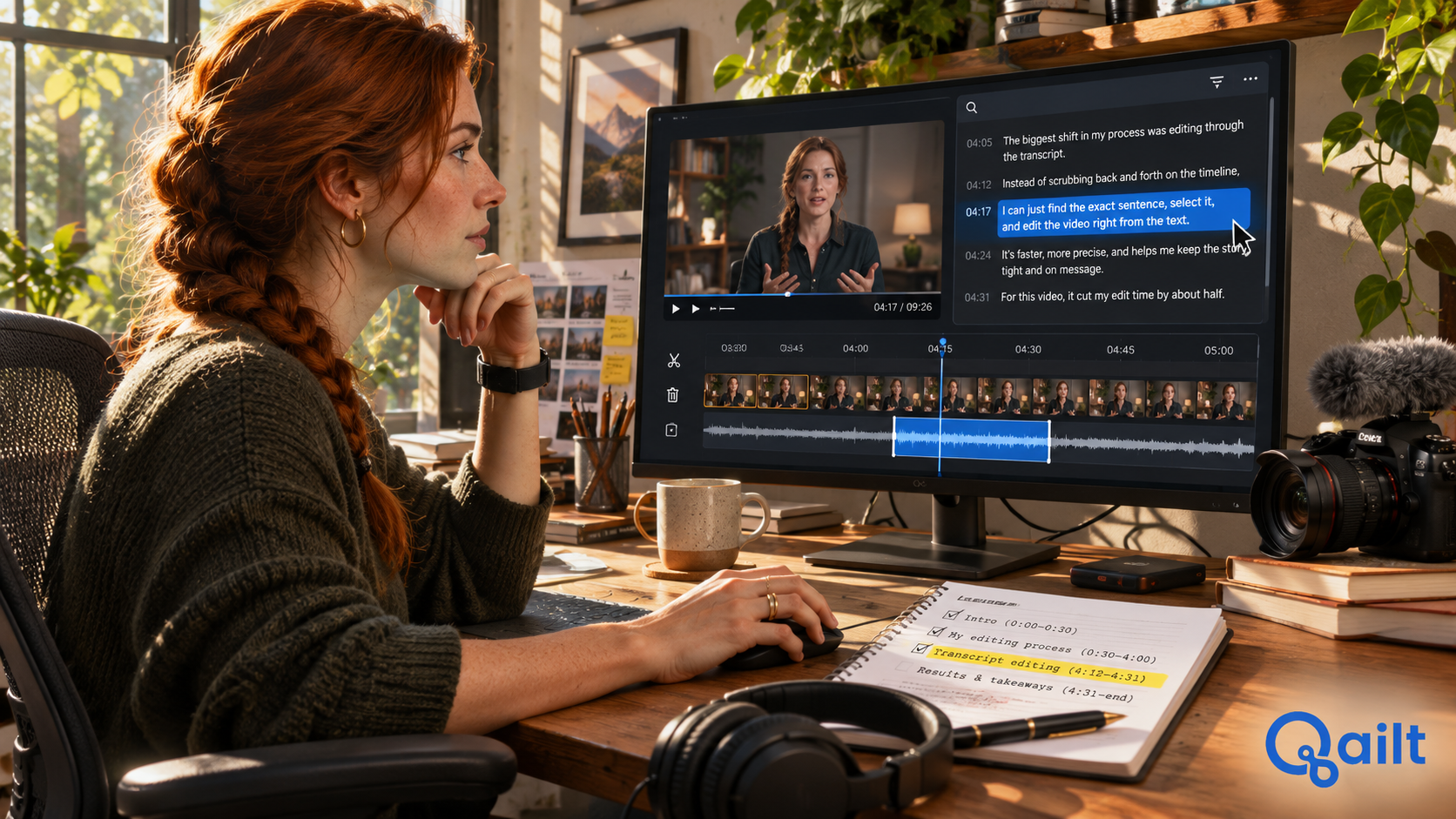
- Listen to each sentence and correct the generated text. Prioritize numbers, names and negatives before visual effects.
- Adjust caption boundaries in the panel or timeline. Match each cue to its speech rather than letting a sentence linger over the next one.
- Review line breaks. Prefer complete ideas; avoid separating a negative from the phrase it changes. Try reading at normal speed on a small screen.
- Choose a video with embedded captions or a separate SRT/VTT caption file, depending on the destination and available options. Review the exported result, not just the editing preview.
Example to adapt
Record this fictional script: “The workshop starts at two thirty in the afternoon. We have eighteen registrations, not eighty. Materials are not included.” A transcription that says “materials are included” is wrong even if it sounds smoother.
Your checklist must preserve three facts: 2:30 pm; 18 registrations with the spoken correction “not 80”; materials not included. Do not add a price or location because neither is spoken. For this faithful-transcription exercise, do not turn the announcement into a promotional summary.
Check your result
- Listen once with captions, then watch silently: does the message remain understandable?
- Check the first word, a middle cue and the final sentence for timing drift.
- On a phone, captions should remain readable without hiding important visual information.
- After uploading a separate caption file to the destination, check its language and timing. Avoid showing two identical caption versions simultaneously.
Common problems
Correct text moves too quickly: reconsider cue breaks and readability without changing the meaning. Timing shifts after a cut: check the following sections before sharing. A word remains unclear: listen again or remake your practice recording rather than inventing information. It looks right only in the editor: check the final file under actual viewing conditions.
Next steps
Explore Kapwing on QAILT. Keep your “meaning, timing, readability, export” checklist for future clips and check captions again whenever you change the edit.